Quick Facts ✔ Web design controls how your website looks and how users experience it. |
What’s Inside
More than 90% of consumers use the internet to find local businesses. Your website is often your first and most influential impression. Yet many business owners still use “web design” and “web development” interchangeably. They are not the same.
Web design focuses on how a site looks and feels. Web development focuses on how it functions. Both are essential to building a high-performing website. Understanding the difference helps you budget correctly, hire the right expertise, and avoid costly project delay
What Is Web Design?
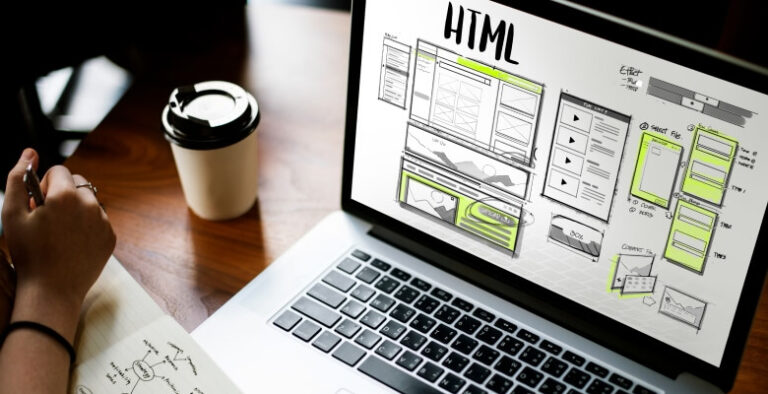
Web design refers to the visual and experiential side of a website. It shapes how users interact with your content, navigate pages, and perceive your brand.
Core Responsibilities of a Web Designer
A web designer is responsible for:
- Page layout and structure
- Color schemes and typography
- Branding consistency
- User interface design
- Mobile responsiveness from a visual standpoint
- Wireframes and design mockups
- User experience strategy
Good web design is not decoration. It is a strategy. 75% of users judge a company’s credibility based on website design. That means layout, clarity, and visual organization directly influence trust.
Designers use tools such as Figma, Adobe XD, or Sketch to create mockups before a single line of code is written. They focus on how users move through a website, where calls to action are placed, and how information is structured.
The Goal of Web Design
The primary goal of web design is to create a website that is:
- Visually appealing
- Easy to navigate
- Aligned with brand identity
- Structured for engagement
For example, if a Charlotte-based contractor wants to generate more service calls, the designer will prioritize clear service pages, visible contact buttons, simple navigation, and mobile-friendly layouts. The emphasis is on guiding visitors toward action.
What Is Web Development?

Web development is the technical process of building and maintaining a website. If design is how the site looks, iis how it works.
Core Responsibilities of a Web Developer
A web developer handles:
- Writing and maintaining code
- Implementing design files into functional pages
- Integrating databases
- Setting up contact forms and booking systems
- Optimizing site speed
- Managing security features
- Configuring content management systems such as WordPress or Shopify
Google research shows that 53% of mobile users abandon a site that takes longer than three seconds to load. Site speed, which falls under development, directly affects conversions and search rankings.
Types of Web Development
- Front-End Development
Front-end developers build what users see and interact with in a browser. They use HTML, CSS, and JavaScript to turn static designs into dynamic web pages. - Back-End Development
Back-end developers manage servers, databases, and application logic. They ensure that data is stored securely and retrieved correctly. Languages often include PHP, Python, or Node.js. - Full-Stack Development
Full-stack developers handle both front-end and back-end responsibilities.
The Goal of Web Development
The goal of web development is to ensure that a website:
- Functions reliably
- Loads quickly
- Is secure
- Integrates with tools such as CRMs or payment systems
Using the contractor example, development makes sure the contact form sends emails properly, the online payment process is secure, and the site performs well across devices.
Web Design vs Web Development: A Clear Comparison
While both roles collaborate closely, their skill sets differ significantly.
- Web design focuses on appearance and user experience
- Web development focuses on functionality and structure
- Designers use visual tools
- Developers use programming languages
- Designers think about branding and usability
- Developers think about logic, performance, and security
In simple terms, web design determines how a site looks. Web development determines how it works. A successful website requires both.
How Web Design and Development Work Together
Understanding the step-by-step process helps clarify how these roles integrate during a project.
Step 1: Discovery and Strategy
The process begins with defining goals. Are you generating leads, selling products, or building authority? Audience research and competitor analysis shape the foundation.
Step 2: Wireframing and UX Planning
Designers create structural blueprints that map page layouts, navigation, and content hierarchy. This stage focuses on clarity and usability.
Step 3: Visual Design
Brand colors, typography, imagery, and calls to action are applied. Mockups provide a realistic preview of the finished site.
Step 4: Development and Coding
Developers convert approved designs into functional web pages. They configure the content management system, integrate forms, and build interactive elements.
Step 5: Testing and Optimization
Before launch, the site is tested for:
- Mobile responsiveness
- Browser compatibility
- Load speed
- Security vulnerabilities
Google’s Core Web Vitals emphasize performance metrics such as loading speed and visual stability, reinforcing how technical quality affects visibility.
Step 6: Launch and Maintenance
Once live, ongoing updates, security patches, and performance monitoring keep the website running smoothly. This collaboration ensures the final product is both attractive and technically sound.
Do You Need a Web Designer, a Web Developer, or Both?
The answer depends on your goals.
When You Only Need Web Design
- You are rebranding
- Your site feels outdated, but functions properly
- You want to improve the user experience
When You Only Need Web Development
- Your site loads slowly
- Forms are not working
- You need advanced functionality
- You want stronger security
When You Need Both
- You are building a new website
- You are launching an eCommerce store
- You want a complete redesign
- You need system integrations
Most businesses building a site from scratch require both services to ensure strong performance and user engagement.
Why This Difference Matters for Business Owners

Confusing web design with web development can lead to mismatched expectations and inaccurate budgets.
If you hire a designer to fix a technical issue, you may face delays. If you hire a developer expecting branding guidance, your site may lack strategic visual direction.
A clear understanding helps you:
- Define project scope
- Allocate budget appropriately
- Ask informed questions
- Compare proposals accurately
It also reduces friction during collaboration. When business owners understand what each role contributes, projects move faster, and results improve.
Frequently Asked Questions
Is web design harder than web development?
They require different strengths. Design demands creativity and user empathy. Development requires logical thinking and technical expertise.
Can one person handle both?
Some professionals are full-stack and manage both design and development. However, many specialize in one area for deeper expertise.
Which comes first, design or development?
Design typically comes first. Once layouts and user flows are approved, development begins.
Does SEO fall under design or development?
SEO involves both. Design affects structure and user experience. Development impacts site speed, code quality, and technical optimization.
Are website templates enough?
Templates provide a starting point but still require customization, performance tuning, and proper setup to meet business goals.
Build a Website That Looks Great and Performs Even Better
A professional website is not just visual. It must function flawlessly, load quickly, and guide users toward action. Web design shapes perception. Web development delivers performance. Together, they determine whether your website converts visitors into customers.
If you are planning a new build or redesign, working with a team that understands both disciplines ensures your investment produces measurable results. Charlotte Web Design helps businesses combine strategic design with strong technical execution to create sites that perform